

Spinmama App In Everyday Mobile Casino Life
Here, adult players in Germany see how mobile gaming, payments, limits, and support at Spinmama practically work.


Bonuses and Promotions
100% up to 500€
+ 200 Free Spins

55% up to 150€
+ 100 Free Spins

50% up to 500€

Maximum 25%
Every Monday

Table of Contents
About Spinmama
| License | MGA / Curaçao |
|---|---|
| Games | 2,000+ |
| Minimum Deposit | $10 |
| Withdrawal | 24–72 hours |
| Support | 24/7 Live Chat |
Game Providers








What Mobile Usage Must Really Deliver in 2026
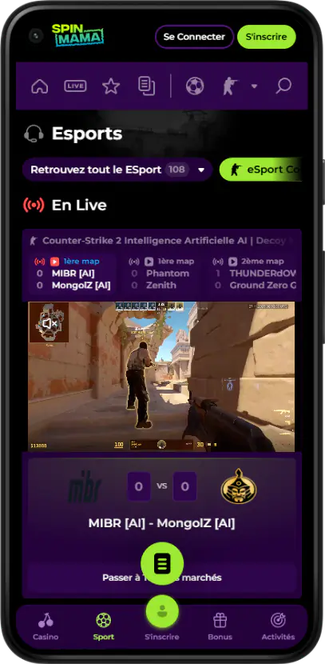
Anyone who opens a casino on their smartphone today doesn't want a technical feat. They want to log in, check their account balance, select a section, and then continue without detours or consciously exit. This is precisely where it's decided whether a platform works in everyday life or just looks modern at first glance. By 2026, expectations have become clearer: less show, more order, less friction, more usable paths.
Imagine you only have twenty minutes free after work. Many players, in such a situation, don't open the complete offering out of curiosity, but act very directly: first check the account, then go to a familiar area, then reconsider whether there's even time for a longer session. A good mobile casino environment helps with exactly this process. It doesn't push, it sorts.
Errors appear more pronounced on small displays. An unclear button, a hidden history, or a checkout that only opens after several sub-menus is immediately disruptive on a mobile phone. On a desktop, this might be annoying. On mobile, it quickly becomes the reason why a session starts hectically. That's why mobile usage isn't just a smaller version of the desktop site. It's a separate mode with its own rules.
Why The Spinmama Casino App Remains Practical in Everyday Life
A mobile casino app must do more than just display games. It must consider everyday life. This means: clear starting paths, reliable menus, easily accessible account areas, and a layout that remains understandable even when you're only looking at the screen with half your attention. Many adult players use such offerings not during an ideal leisure window, but between appointments, in the evening on the sofa, or briefly on the go. This is precisely why practical usability is more important than any grand design gesture.
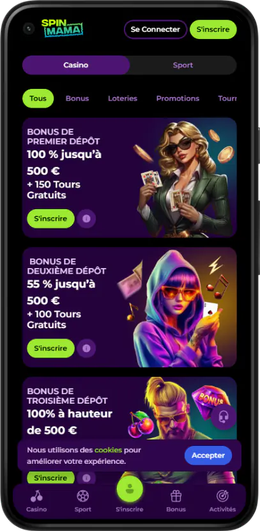
Imagine you open the platform while waiting for the train. You don't want to learn a new interface. You want to see what was used last, whether money movements are pending, and where the security features are located. If these points are clearly resolved, usage remains calm. If not, even the first step feels strenuous.
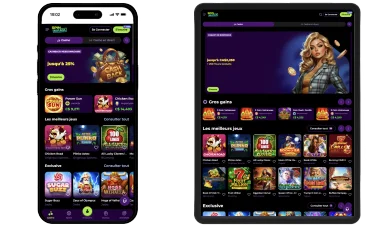
Switching between multiple devices also plays a role. Some start briefly on their phone and later check history, balance, or a withdrawal on their tablet. This only works if the logic doesn't fall apart from device to device. It's perfectly fine if menus adapt visually. But account, checkout, help, and limits should be similarly easy to access in both places.
What The Spinmama App Download Means for Getting Started
Getting started doesn't begin with the first game, but with the first conscious access. Those who download the app and start immediately often overlook the more important questions: Where is the account managed, where are the history and money movements located, and how can a break be set later? These are precisely the points that ultimately make the difference between a relaxed session and one that prolongs uncontrollably.
Imagine you install the application in five minutes in the evening and want to immediately test how mobile usage feels afterward. Many adult users then click directly into the entertainment without looking at the framework. The opposite is more practical. First read the structure, then check access, then understand the checkout and the security paths. Those who proceed this way usually play more calmly later.
Another point is expectations. An installation doesn't automatically answer all questions. It only creates more direct access. Whether this access feels good depends on how clear the first steps are. If the account, search, categories, and history function immediately, trust is built. If even the start feels unsettling, this feeling often continues throughout the entire usage.
Popular Games










Account, Access, and the First Security Steps
An adult approach to a mobile casino always begins with the account. Password, personal data, history, session overview, and the tools for limits belong together. Many players treat these points as a tedious formality, although they are precisely what make the difference later. Those who work cleanly here save themselves uncertainty later.
Imagine you quickly set up access in the evening and want to continue on the go the next day. Then it immediately becomes apparent whether everything was prepared properly. Are the details correct, can the history be traced, and can you find the areas for breaks or longer timeouts without searching? If not, the platform becomes complicated precisely at the moment it should actually provide relief.
Immediately after registration, a brief check of the account is worthwhile. Not out of mistrust, but out of pragmatism. Where is the balance, where are deposits and withdrawals, how is the history displayed, and what limits can be set? These questions sound dry. In everyday life, they are often more useful than any description of a game or any mention of new content.
Why Preset Limits Make the Evening Calmer
Many players only set a limit when the session is already underway. This is understandable, but rarely the best solution. Those who define budget and approximate duration before starting usually make later decisions with significantly less pressure. The advantage isn't that you are stricter with yourself. The advantage is that the most important framework is already in place before excitement and tempo increase.
Imagine a typical situation: You actually only wanted to take a quick look, but after a few minutes, the short round turns into an open-ended evening. It's precisely at this point that previously set limits help. They give usage a form and make exiting easier because it doesn't have to be decided in an emotional moment.
Payments, Checkout, and a Look at the History
As soon as money is moved, clarity is paramount. Then, it's less about how attractive a homepage looks, but whether the checkout functions understandably. Where do you enter the amount, how do you check the status, where do you see previous steps, and how do you recognize if anything is still pending? A mobile platform must answer these questions cleanly, otherwise usage quickly tips into uncertainty.
Imagine you want to deposit a manageable amount after work. Many players don't want to open multiple pages first, but expect a simple process: find the checkout area, check the amount, choose the method, control the status, return to the overview. The same applies later to a withdrawal. The action itself may require attention – but the interface shouldn't confuse you additionally.
A common mistake is constantly mixing checkout and entertainment. You play briefly, look at your balance, jump back to the checkout, then immediately open the next section. On small displays, this back and forth is particularly strenuous. A simple sequence is better: first consciously complete money transactions, then consider the session separately. This way, the account area remains a tool and doesn't become part of the thrill.
Section | What players check there | Why it's practical |
Balance | Status before and after a session | Helps to act not just on feeling |
Checkout Menu | Deposits, withdrawals, and current transactions | Geldbewegungen bleiben nachvollziehbar |
History | Frühere Aktionen und offene Vorgänge | Prevents duplicate or premature actions |
Protection features | Pauses, limits, and extended breaks | Turns spontaneous use into a predictable process |
The table shows something fundamental: Mobile use only feels stable when the most important tools are accessible in a logical order. Players don't need everything at once all the time. But they need to know where these points are - even when they are tired, have little time, or switch between two devices.
How Adult Players Recognize a Good Cashier
A good cashier is not spectacular. It is sober, direct, and can be operated without guesswork. If you want to place a bet or check a withdrawal, the platform should not hide this step behind advertising spaces or unclear submenus. Players often notice very quickly whether the cashier is built like a tool or like an additional incentive.
Imagine you just want to quickly check if a money transaction has been recorded correctly. Then every unnecessary movement counts. A clear history, clean labels, and a visible status are more effective than any design element in such moments. This is often where it shows whether the platform was built for real use.
What is often overlooked during withdrawals
When it comes to withdrawals, many people first think about speed. Something else is often more important: traceability. Players want to know if the process has been recorded, if the details remain consistent, and if the step can be found again later on another device. If this clarity is missing, constant checking begins – and that makes usage unsettling.
Imagine you request a withdrawal on your tablet and check again later on your smartphone. If both devices show the same information calmly and clearly, trust is built. If not, a normal process quickly becomes a moment of uncertainty. That's why it's worth treating money movements as a separate section and not doing them on the side during an ongoing session.
Selection, Game Pace, And The Difference Between Searching And Playing
On a smartphone, game selection is experienced differently than on a desktop. Attention is scarcer, patience shorter, and even small irritations have a stronger effect. Therefore, many players don't search for hours on mobile, but first turn to familiar areas. This is not a lack of interest, but often a sensible form of self-control.
Imagine you're tired and just want to fit in a quick round. An endless list doesn't help in this situation. A surface that offers recently used content, clear categories, and understandable return paths is helpful. This way, you can decide if a quiet, familiar option suits you today or if you even have the energy for longer browsing.
The pace is also crucial. Mobile platforms can encourage quick decisions – sometimes too quick. Those on their phones tend to click spontaneously and read less attentively. Therefore, it makes sense to consider not only the game itself but also your own selection routine: look first, then decide, then stick with it. This small sequence protects against the typical jumping between sections, which ultimately creates more restlessness than entertainment.
Support, Breaks, and Self-Protection Without Detours
Support isn't just for errors. It's part of sensible usage. The same applies to breaks, timeouts, and longer time-outs. Those playing on mobile should not see these functions as a last resort, but as normal tools that belong to the account. This is especially important with an app, as impulsive sessions can arise more quickly on a smartphone than on a large screen.
Imagine you notice in the middle of a short evening session that your concentration is gone or a financial step seems unclear. Many users then make the mistake of quickly trying to resolve something or continuing to play to calm the feeling. In practice, a break often helps more. A clear exit, an interruption, or a short message to support creates order before haste takes over.
It's also important that protective functions remain accessible without a lengthy search. Nobody wants to try multiple menus in a tense moment just to set a break. A good app treats these areas not as peripheral topics, but as core components. Because that's exactly what they are for adult players who want to not only enjoy their usage but also control it.
When a Short Break Helps More Than Another Round
There are times when many people stop playing not because they are really enjoying the content, but because they want to correct a recent decision. Perhaps they want to compensate for a little frustration, perhaps they just want to regain the feeling of being in control. This is precisely when a break is most valuable.
Imagine suddenly realizing that you are only reacting. In such cases, distance almost always brings more than activity. A short interruption, consciously closing the app, or a longer timeout can completely change the rhythm. The benefit is not in missing something. The benefit is in being able to make sober decisions again.
Mobile Usage Means Planning, Not Continuous Operation
Many texts about casino apps pretend that players must always be available. In reality, mobile usage works better when it remains limited. Those who see a smartphone as constant access are more likely to get into open, unclear sessions. Those who use it as a tool for clearly defined moments, on the other hand, are more likely to maintain an overview.
Imagine a normal week. On one day, you only open the platform briefly after work. The next day, you check your history in the morning, check a money movement in the evening, and on a third day, you consciously decide not to play at all. This is realistic usage. Good mobile platforms must be able to handle exactly this kind of variation.
Planning does not mean rigidity. It simply means that before each session, there is a simple question: Why am I opening the app right now? For a short round, to check the account, for a money transaction, or just out of habit? Those who answer this question honestly usually use mobile casino offers much more calmly. And this is often the real strength of a good app in 2026 – not in as many functions as possible, but in a structure that supports real everyday situations.
In the end, there is a simple realization. Good mobile casino usage does not consist of big moments, but of many small, clean decisions: understanding your account, treating the cashier separately, controlling your game pace, finding help quickly, and taking breaks seriously. If these fundamentals are right, even a short session will seem organized. And this is precisely what makes the crucial difference in everyday life.
Frequently Asked Questions
The most sensible way to start is with a fixed sequence. First, check your account balance and history, then set a clear framework for time and budget, and only then open a suitable section. Many adult players unconsciously reverse this order and realize too late that they started without a plan. A calm start is particularly important on mobile because spontaneous decisions happen faster on a small display than on a desktop.
A mobile casino app is suitable for everyday use if the most important functions are accessible under normal conditions. You should be able to access login, balance, cashier, history, and protection features without long searches. If this remains clear while on a train, on the sofa, or between appointments, the app is practical. If, on the other hand, you have to jump back multiple times or re-read menus even for simple steps, daily use quickly becomes strenuous.
Yes, that is usually the more sensible solution. Those who set a budget and approximate duration before starting play more calmly later and do not have to make important decisions in the middle of a running session. Many users postpone this step because it seems dry at first. In practice, however, it protects precisely against those moments when a short round turns into an open-ended evening.
A brief transition helps the most. Before you switch devices, check your balance, history, and any pending financial transactions. This way, you know exactly where you left off. Many uncertainties arise not from the device switch itself, but because a conscious conclusion did not take place in between. Those who invest this one minute will find it much easier to maintain an overview.
A break is usually sensible when the game is no longer the focus, but rather the need to correct the last decision. Fatigue, frustration, or the feeling of needing to quickly recoup something are clear signals. In such moments, distance almost always helps more than activity. A short interruption or a longer break creates calm again and prevents impulses from taking over.
Treat financial transactions as a separate section, not as a side issue. First, check the amount or destination, then consciously make the transaction, then check the history, and only then return to entertainment. Those who mix the cashier and the game too closely lose track more quickly on mobile devices. A calm process makes the difference because it separates the account from entertainment.
The best approach is not to look for these areas only when stressed. Check early where help, breaks, and longer interruptions are located so you can act calmly at the right moment. If a question arises or a step remains unclear, a factual, brief inquiry usually helps more than frantic clicking. This very calmness turns mobile use into a controlled part of everyday life rather than a reactive chain.